We’re delighted to offer our award-winning customer service to the top of the South Island. Car hire in Nelson has never been so simple. When you book with GO, you can access your Nelson car hire booking directly from our app, helping to get you out on the road in no time.
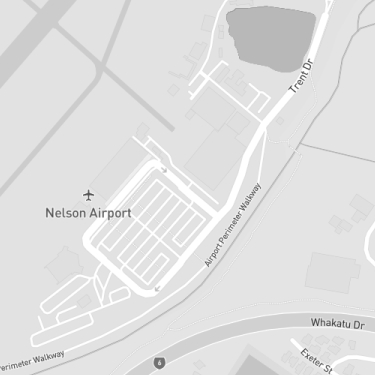
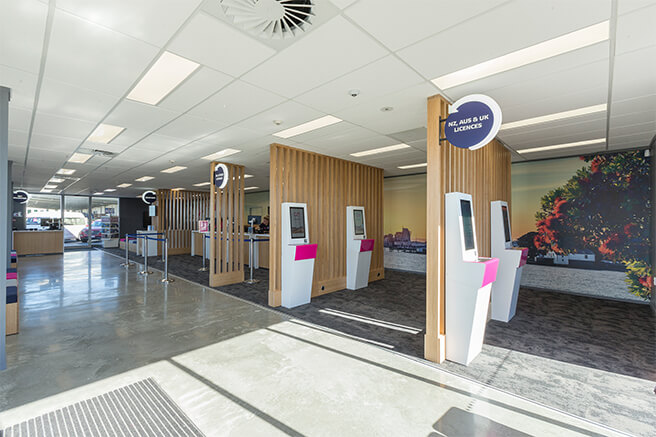
When you land in Nelson, look for the big pink sign right outside the terminal where our amazing team will check you in and get you on your way.
As one of the largest independent Kiwi car rental companies, GO prides itself on providing a quality car hire service and rental cars at reasonable prices. We have a great choice, the best rental cars and the best value.
If you are looking for a rental car with a difference, make sure you check out our range of EVs, including the Tesla Model 3 and Model Y - the latest addition to the GO fleet. Couple all of this with our award-winning team for customer experience and we hope to bring you an exciting new car rental experience in Nelson.
Nelson is a fantastic place to start your New Zealand adventure or to simply spend a few days exploring. Nelson is the biggest city in the north of the South Island and is a fantastic place to base yourself for exploring this stunning part of the world.
From the Marlborough vineyards of Blenheim to the spectacular Kahurangi National Park, Nelson is within easy driving distance of some of the South Island’s most beautiful destinations. You will be spoilt for choice when it comes to beaches, with Golden Bay and Abel Tasman Bay taking the cake for most picturesque!
As one of the sunniest destinations in New Zealand, you'll get plenty of opportunities to relax and unwind in Nelson and beyond. Make sure you check out our top 5 destinations from Nelson and get inspired for your New Zealand road trip.
Affordable car rental in Nelson
For an affordable price when you rent a car, GO Rentals is the way to go! For the best car hire in Nelson, our wide range of modern vehicles will match any of your travel needs. Our staff will provide friendly service to help you find the perfect car rental to fit in your road trip budget! Our competitive rates and hot deals will make your car rental experience even more worthwhile (and affordable!).