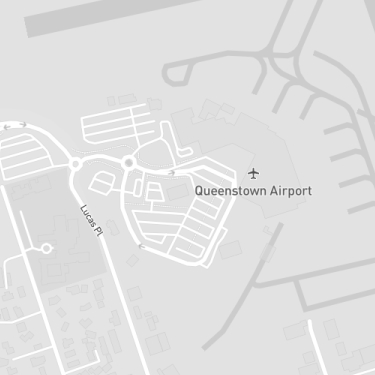
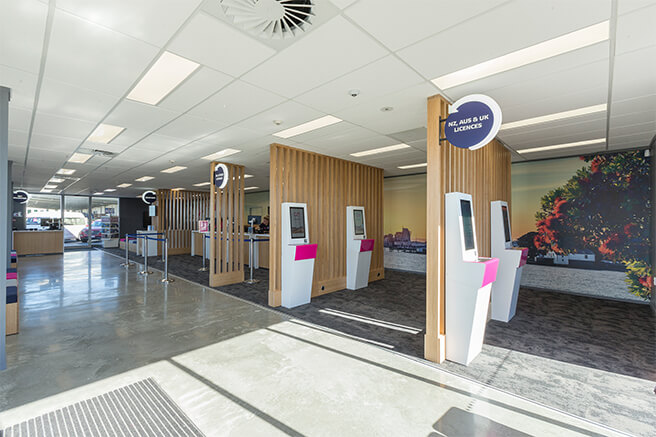
GO Rentals' Queenstown car hire branch is situated only a minute’s walk from Queenstown Airport’s arrivals terminal and a short drive to the central city centre. If you’re flying into Queenstown Airport, finding us is as easy as walking out of the arrivals doors, past the taxi stand and looking out for our branch’s pink signage. Once at the branch, you’ll be all ready for your South Island adventure. This year, we’re super-excited to welcome visitors from Australia and the rest of the world back to New Zealand and we thank you, along with our loyal Kiwi customers, for checking out GO.
We’re changing the game when it comes to car rental in Queenstown and as the largest independent Kiwi car rental company, we have a great choice of rental cars and we’ll find you the best car for your trip. If you are looking for a hire car with a difference, make sure you check out the all-new Tesla Model 3 – the latest addition to our fleet and available for rental in Queenstown.
Our award-winning team genuinely care about your journey and are there to provide support throughout your hire, so you can make the most of your time on the road. If you’re looking for inspiration on holiday destinations from Queenstown, we’ve got you covered. Make sure you check out our top 5 destinations from Queenstown and get inspired for your New Zealand road trip.
There is so much to see and do in Queenstown. As soon as you land, the breath-taking landscape & scenery will blow you away. The best way to experience the adventure capital is to hire a rental car, this gives you the freedom to explore at your own pace and it’s as simple as look, book and GO.
From bungy jumping to jet boating, skiing and sky diving – there is no limit to what you can do here in Queenstown. So, go love every moment and sing out if you need a hand, we’re a phone call away.